
School Life
Children’s Day in Nigeria During the Late 90s and Early 2000s
A nostalgic look at how Children’s Day was celebrated in Nigeria during the late 90s and early 2000s, when schools gathered at major stadiums for march past, performances, football matches, and unforgettable memories.
By Admin
•
May 18, 2026
•
4 min read
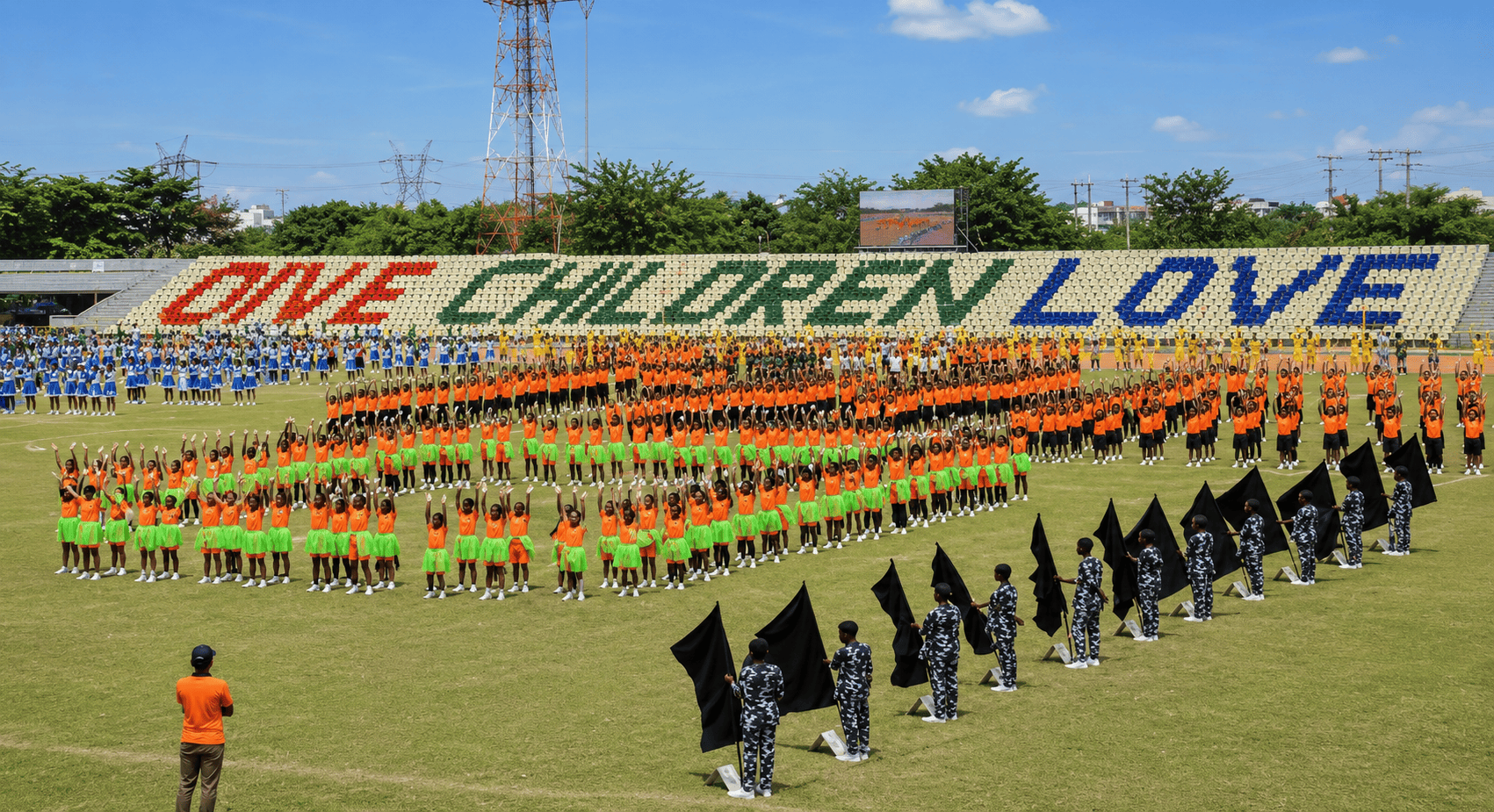
For many Nigerians who grew up in the late 90s and early 2000s, Children’s Day was one of the most exciting days of the year. Unlike today, schools did not just celebrate inside their compounds. Almost every school in a city would gather at one big stadium for a grand celebration.
In places like Warri, students from both public and private schools would arrive at the city stadium very early in the morning. The whole place would be filled with children wearing different school uniforms and colourful house jerseys. Everywhere looked lively, and excitement could be seen on the faces of students.
The Excitement of Children’s Day in Nigeria
The excitement usually started days before May 27. Students practiced for the big day and prepared themselves for the activities ahead. Teachers ensured uniforms were neat, shoes were polished, and everyone was ready to represent their school proudly.
For many children, Children’s Day felt different from an ordinary school day. It was a day without normal classroom lessons, tests, or punishment. Instead, it was a day filled with joy, celebration, and friendly competition among schools.
Many children woke up very early because they did not want to miss the fun. Some schools used buses, while others arranged transportation for students to get to the stadium.
The Famous March Past Experience
One of the biggest highlights of the day was the march past. Schools would line up and proudly parade before government officials, teachers, invited guests, and sometimes military officers.
Students practiced for weeks just to make sure their marching was perfect. Some schools even competed to see who marched best. The pride schools took in discipline and coordination made the event exciting to watch.
As drums played in the background, children marched proudly while spectators clapped and cheered from different sections of the stadium.
Activities at the Stadium
The field was always full of activities. Football matches between schools were common and attracted loud cheering from students.
Apart from football, there were relay races, cultural dances, military-style drills, choir presentations, drama performances, and school displays. Every school tried to showcase talent and creativity.
Many students looked forward to watching performances from other schools, making the day feel like a huge festival of children from different backgrounds.
Seating Arrangement and the Stadium Atmosphere
The stadium was usually crowded with thousands of children gathered in one place.
Some students sat on the red seats in the pavilion, while others sat on concrete stands or open areas depending on where their schools were positioned. Teachers moved around trying to maintain order, though the excitement of the day often made students difficult to control.
The noise, laughter, cheering, and music created an unforgettable atmosphere. It truly felt like a celebration made especially for children.
In cities like Warri, Children’s Day celebrations often brought together schools at major stadiums for competitions and performances, creating memories many people still remember today.
Food, Snacks, and Small Joys
Food vendors were everywhere. Children bought soft drinks, biscuits, meat pie, popcorn, sweets, and sometimes ice cream if they were lucky enough to receive money from home.
For many students, buying snacks and enjoying them with friends became one of the happiest parts of the day.
The movement of vendors around the stadium added even more life and excitement to the celebration.
Why Many Nigerians Still Remember Old Children’s Day
Many people still remember the excitement of seeing nearly every school in the city gathered in one place. It felt like a festival for children, a day without normal classes, full of fun, competition, and unforgettable memories.
I remember waking up very early, wearing my school uniform proudly and feeling excited because we were going to Warri Township Stadium. The joy of seeing thousands of students from different schools together is something many children today may never fully experience.
Although Children’s Day is still celebrated in Nigeria today, many schools now hold events inside their compounds instead of gathering at one major stadium. While celebrations continue, many Nigerians still miss the excitement and unity that defined Children’s Day in the late 90s and early 2000s.